


Debunking Birth Control Myths That TikTok Gets Wrong
Before you know it, you're spiraling, convinced that using birth control is going to destroy your body. Social media has a way of making medical misinformation feel both very personal and terrifying.
So let's take a deep breath and fact-check some of the most viral birth control myths floating around social media. Because you deserve accurate information — not just the stuff that racks up the most views.
What is birth control?
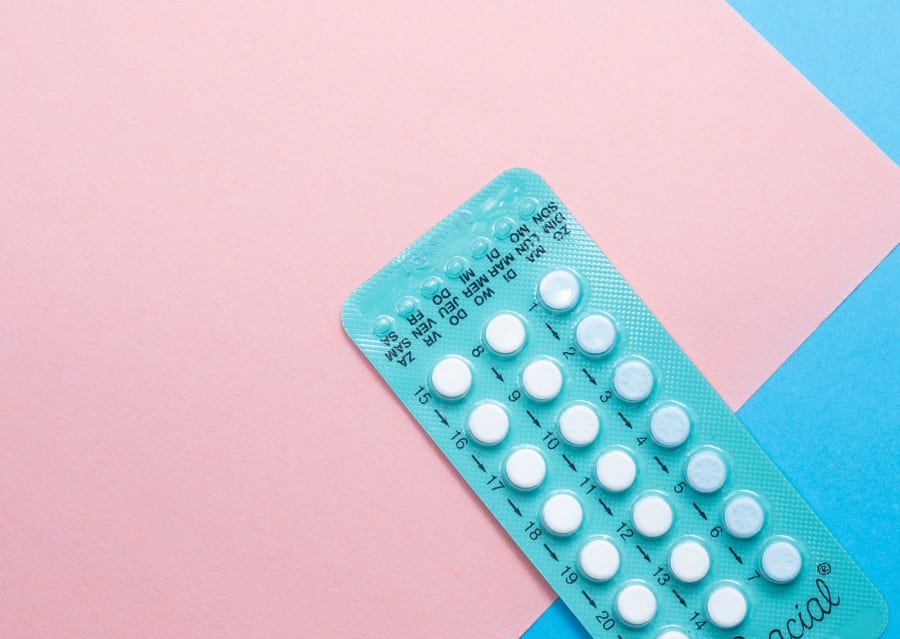
Birth control, also known as contraception, prevents pregnancy and provides other benefits, including regulating periods, managing cramps, reducing acne, and treating certain medical conditions like PCOS. Many people also use birth control to improve their sex lives by providing peace of mind and allowing them to focus on pleasure. Check out the many types of birth control with Bedsider's method explorer.
Fact #1: Hormonal birth control is NOT "full of chemicals" and unnatural
Is hormonal birth control unnatural?
The facts: "Chemical" ≠ "dangerous."
Hormonal birth control methods contain synthetic versions of two hormones — estrogen and progesterone — that your body already makes naturally. Yes, they're synthetic, but that doesn't make them harmful. In fact, these versions are often more predictable and stable than the hormones your body produces naturally.
Why this myth is harmful: This kind of fear-mongering we too often see going viral on social media can push people to believe "natural methods" or no birth control at all are the only options they have available. These myths also create needless anxiety about taking medication that could genuinely improve quality of life — whether that's preventing pregnancy, managing painful periods, or treating conditions like PCOS or endometriosis. The "natural is always better" mindset ignores the fact that modern medicine exists precisely because nature isn't always kind to our bodies.
The truth about hormones: Does birth control balance hormones? For many people, hormonal birth control can help regulate hormone fluctuations that cause painful periods, severe PMS, or acne. Rather than being "unnatural," these methods work with your body's existing hormone systems.
Fact #2: Hormonal birth control does not always cause depression
Does birth control cause depression?
The facts: While a small number of people do experience mood changes on birth control, the vast majority do not. Large studies have found no clear, consistent link between hormonal birth control and depression for most users. And some people use birth control to help with certain types of mood changes, like pre-menstrual dysphoric disorder (PMDD).
That said, everyone's body and brain chemistry are different. If you notice your mood shifting after starting a new birth control method, check in with your healthcare provider. There are lots of different formulations and methods, and finding the right one might take some trial and error.
The nuance social media misses: Your late teens and twenties are when many mental health conditions first emerge, regardless of birth control use. If you started birth control at 18 and depression showed up at 20, we get why that overlap can make it easy to assume one caused the other — but that's not necessarily the case.
Fact #3: Birth control does not cause infertility
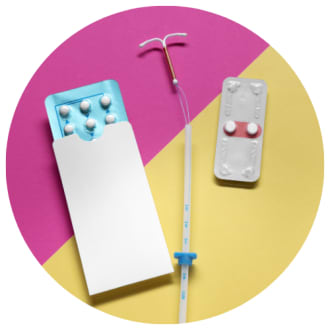 Can birth control make you infertile?
The facts: Birth control does not cause infertility. Full stop.
When you stop using hormonal birth control, your fertility returns to whatever is normal for you. For some people, that's immediately. For others, it might take a few months for cycles to get back on track — but that's your body returning to its baseline, not damage from birth control.
Can long-term use of birth control pills cause infertility? No. Whether you use birth control for one year or ten years, it doesn't affect your future ability to get pregnant.
Why this myth is harmful: It scares people away from effective contraception and fuels unnecessary anxiety. If someone has a harder time getting pregnant later, that's sometimes how fertility works, not because of past birth control use.
Fact #4: Birth control does not always cause weight gain
Does birth control cause weight gain?
The facts: Most hormonal birth control methods are not linked to significant weight gain. Decades of research show no consistent connection between the pill, the patch, the ring, hormonal IUDs, or the implant and weight change.
The one exception? The shot. Research suggests that about 1 in 4 people may gain weight with Depo-Provera. But not everyone taking the shot does, and some people lose weight.
Why people think they gained weight: Our bodies naturally change over time, especially during our teens and twenties. Weight fluctuation is normal throughout our lives. But when you start birth control around the same time your body is naturally changing, it's easy to think it's connected to the birth control. Also, some methods can cause water retention or bloating that can feel like weight gain, but it's usually temporary.
Fact #5: Condoms are the only birth control method that also provides STI protection
Do you need a condom on birth control?
The facts: Yes, condoms are important if you want protection from sexually transmitted infections. Most forms of birth control prevent pregnancy but don't protect against STIs. Barrier methods like condoms are the only form of birth control that do both.
Using condoms and birth control together: Also called "dual protection," using condoms alongside another birth control method (like the pill, ring, or IUD) gives you both pregnancy prevention and STI protection. More protection means more peace of mind — and that's when sex really gets fun
Pro tip: Keep lube on hand when using condoms — it makes them more comfortable and less likely to break. Just make sure to use water-based or silicone-based lube with latex condoms, as oil-based lubes can damage latex.
Fact #6: You don't need to "give your body a break" from hormonal birth control
Is it good to take a break from birth control?
The facts: There's no medical reason your body needs to take a "break" from birth control. If your method is working for you and you don't want to get pregnant, you can safely keep using it.
This myth likely comes from the idea that synthetic hormones somehow "build up" in your system, but they don't. Birth control doesn't build up in your body or require a reset.
What you might actually need: If you're experiencing side effects that bother you, talk to your healthcare provider about switching to a new birth control method. That's about finding what works for your body, not about needing a birth control "detox."
Fact #7: Birth control can help people have worry-free sex
Can birth control improve my sex life?
The facts: Absolutely. Anxiety about pregnancy can seriously interfere with sexual enjoyment, creating tension and distraction when you're trying to be present with pleasure. Reliable contraception helps people relax and focus on what feels good.
Lisa Finn, in-house sex expert for Babeland, weighs in: “Especially for people in areas with politically driven reproductive healthcare access barriers, the fear of an unintended pregnancy can seriously impact pleasure. Anxiety activates the body’s sympathetic nervous system - releasing stress hormones which can interrupt the physiological processes that support arousal and orgasm.
When your mind is focused on risk, it is harder to stay connected to sensation. That mental load can pull you out of the moment and away from pleasure. For people with vulvas, anxiety may lead to involuntary pelvic floor tension, making arousal or penetration uncomfortable. For people with penises, it can contribute to performance anxiety, difficulty maintaining an erection, or fears around ejaculation.
Pleasure and safety are deeply connected - when one is compromised, the other often is too.”
For many people, finding the best contraceptive pill or other birth control method that works for their body is a game-changer for their sex lives. When you're confident in your contraception, you can focus on connection, sensation, and pleasure — which is what sex should be about.
 Final facts
Social media can be a great place to find community and hear about other people's experiences. But it shouldn't be your only source of health information — and it definitely shouldn't scare you out of using birth control that could support your body and your life.
So the next time you find yourself spiraling down a birth control panic rabbit hole on TikTok, pause, take a breath, fact-check what you're seeing, and remember: the most shocking story isn't always the most accurate. And there are places on social media where you can find info you can trust (like Bedsider's Instagram and TikTok).
Your birth control decisions should be based on real evidence and real conversations with healthcare providers, not just whatever is trending on your For You Page.
Looking for more myth-busting content? Check out our guide to masturbation myths for more facts that set the record straight.
PS: Looking for the facts while scrolling your socials? Check out Bedsider on Instagram and TikTok. We've got you covered.